All Categories
Featured
AI systems count on large amounts of data to learn and make accurate forecasts or recommendations. Work closely with your IT department to evaluate your data readiness. Examine the availability, quality, and compatibility of your data throughout different systems. Guarantee appropriate information governance, security, and compliance steps remain in location to support AI integration.
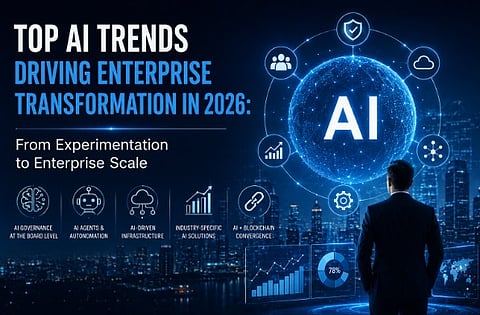
Collaborate with IT professionals to examine various AI platforms, tools, and options that align with your objectives. Prior to implementing AI on a big scale, it is advisable to pilot and test the innovation in a controlled environment.

Carrying out AI in consumer service involves considerable modifications for both customers and staff members. Develop a thorough change management strategy that attends to interaction, training, and assistance requirements.
Communicate the goals, advantages, and anticipated effect of AI adoption clearly to all stakeholders. When you have completed the essential preparations, it's time to execute AI into your customer service facilities. Team up carefully with your IT department or AI vendor to seamlessly incorporate the technology into your existing systems. Ensure proper data connection, system compatibility, and security procedures remain in location.
Essential Foundations for a Successful 2026 Digital Shift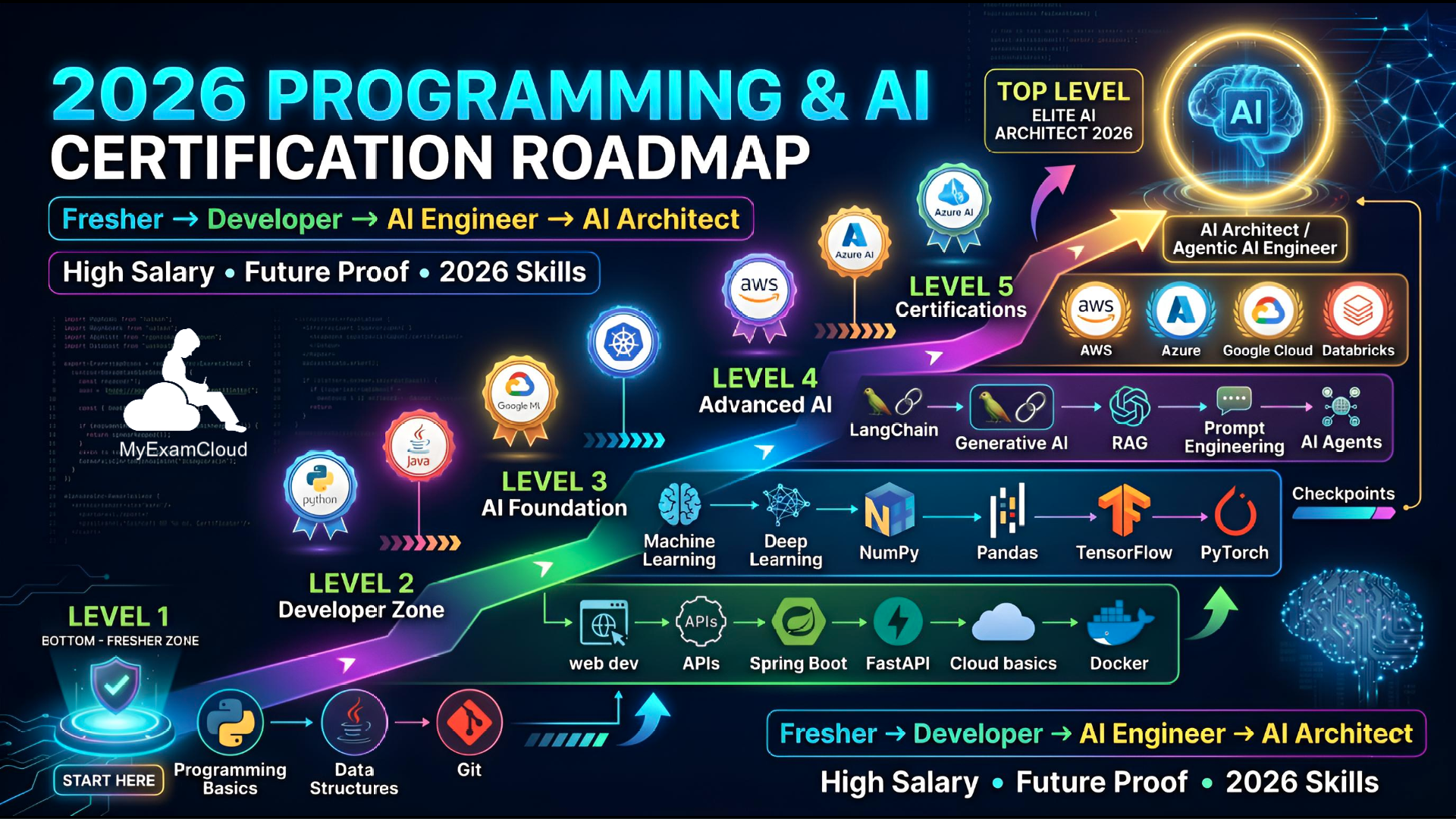
Throughout the AI adoption process, closely display and analyze crucial efficiency indicators (KPIs) related to consumer service. Track metrics such as reaction time, very first contact resolution rate, client fulfillment scores, and representative efficiency. By comparing pre and post-implementation data, you can assess the effect of AI on these metrics and identify areas for enhancement.

Latest Posts
Legacy IT Vs AI-Native Cloud
Mastering the 2026 Landscape of Digital Convergence
Core Pros of Corporate Modernization for the Future